Mosques
Behrâm Paşa Câmi‘i


Câmi‘ü’n-Nebî


Fâtih Paşa Câmi‘i


Hadım ‘Alî Paşa Câmi‘i

Hasan Paşa (Balıklı) Câmi‘i

Hazreti Sa‘sa‘a Câmi‘i


Hazreti Süleyman Câmi‘i


Hazreti Ömer Câmi‘i

Hüsrev Paşa Câmi‘i


Kaşık Budak Mescidi


Kurt İsmail Paşa (Medded Bey) Câmi‘i

Lala Kâsım Bey Câmi‘i


Melek Ahmed Paşa Câmi‘i


Mu‘allak Câmi‘i


Nasûh Paşa Câmi‘i


Parlı (Safâ) Câmi‘i


Rağibiyye (Defterdâr) Câmi‘i

Sarı Saltük Câmi‘i

Ulu Câmi‘i
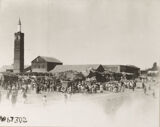
The Ulu Câmi‘i (called in older times Câmi-i Kebir) was the principal mosque of the city. It was built around a courtyard, consisting of the main prayer hall on the south side, with a cross-gabled roof; two two-story column arcade facades on the east and west sides; the Mesûdiye Medresesi to the northeast, with a column arcade; and the small Hambeli prayer hall to the northwest, built for followers of the Hambeli school of jurisprudence (it was later used for Shafi). It was originally the site of the Byzantine church of Saint Thomas, which was built by Heraclius in 629. Armenians of the city believed the Ulu Câmi‘i to have once been the palace of Tigranes, however this is of course false due to the fact that Diyarbekir was not the ancient Tigranocerta.
Read Article